 English
 You're ready to tackle social media for your small business, but scrolling through Instagram, TikTok, and LinkedIn feels overwhelming. Before you post another photo or write another caption, stop. The biggest mistake small businesses make with social media is jumping straight into posting without a strategy. That approach wastes time, burns budget, and delivers zero results.
Here's what you need to do first.
Define Your Goals Before You Touch a Single Platform
Start with clarity, not content. What do you actually want from social media? Most small businesses answer "engagement" or "followers," but those are vanity metrics that don't pay the bills.
Define measurable business goals:
- Brand awareness: Getting your name in front of potential customers who've never heard of you
- Community growth: Building an audience that knows, likes, and trusts your brand
- Engagement: Starting conversations that create relationships
- Conversions: Driving website visits, lead generation, or direct sales
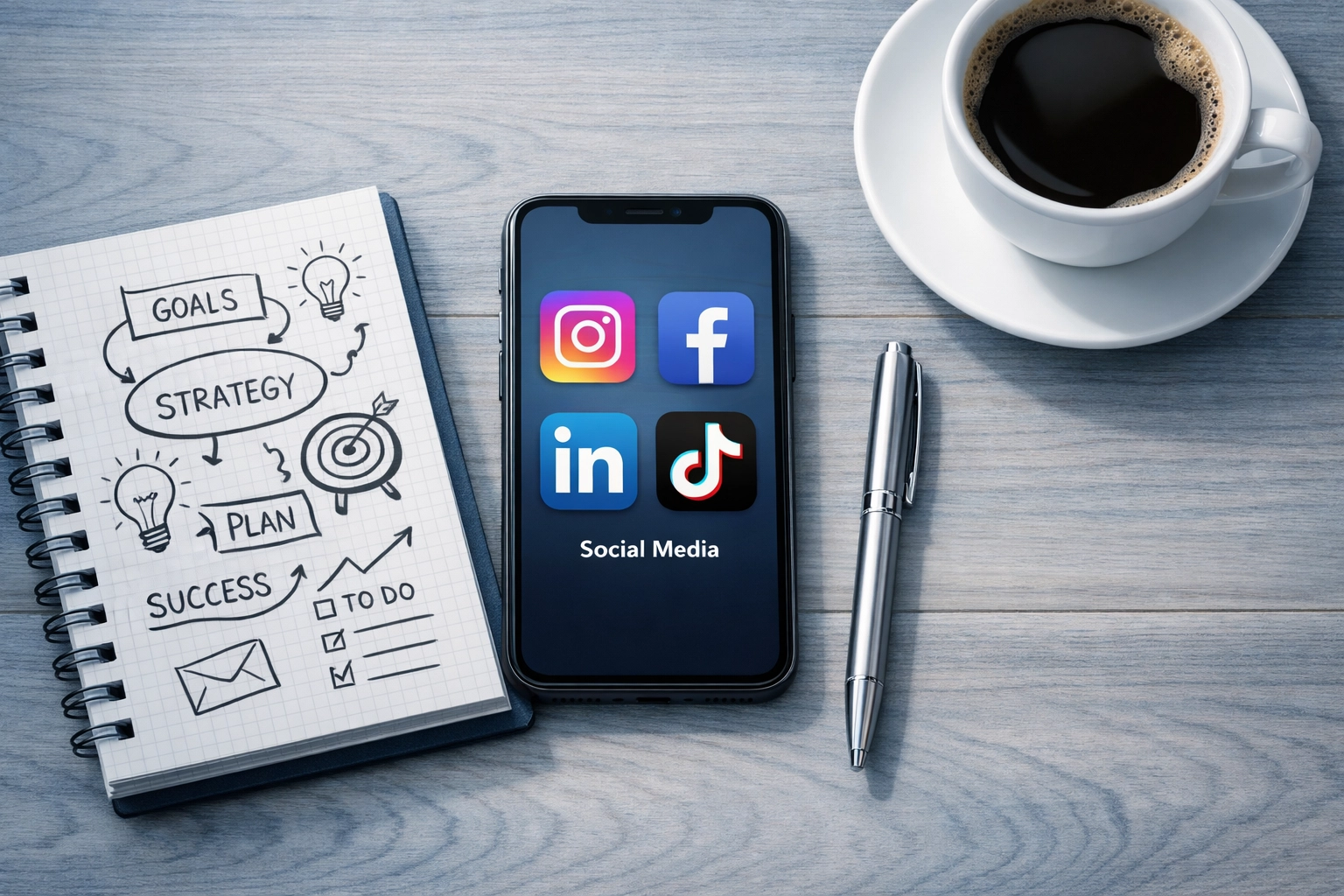
Pick one or two primary goals. If you're a new business, brand awareness and community growth make sense. If you've been around but need more leads, focus on engagement and conversions. Your goals determine which platforms you choose, what content you create, and how you measure success.
Know Your Audience, Then Pick One Platform
You don't need to be everywhere. You need to be where your customers are.
Instagram works for visual products and younger audiences. Facebook reaches local businesses and older demographics. LinkedIn targets B2B companies and professional services. TikTok captures attention with short-form video for Gen Z and millennials.
Start with one platform where your ideal customers spend time. Master it. Then expand.
Here's how to choose:
- Instagram or TikTok: You sell physical products, offer visual services (design, food, fashion), or target audiences under 40
- Facebook: You run a local business (restaurants, salons, retail), serve families, or target audiences over 40
- LinkedIn: You offer B2B services, professional consulting, or enterprise solutions
Research where your competitors show up. Check where your current customers engage online. Ask them directly which platforms they use daily. That single platform is your starting point.
Your 30-Day Social Media Launch Plan
Once you've defined goals and selected a platform, follow this timeline.
Week 1: Set the Foundation
Define your business goals in writing. Create audience personas that include demographics, pain points, and where they spend time online. Choose your primary platform based on audience research.
Set up your profile completely. Use a professional profile photo and cover image. Write a bio that clearly states what you do and who you serve. Add contact information and your website link. Complete every field the platform offers.

Week 2: Build Your Content System
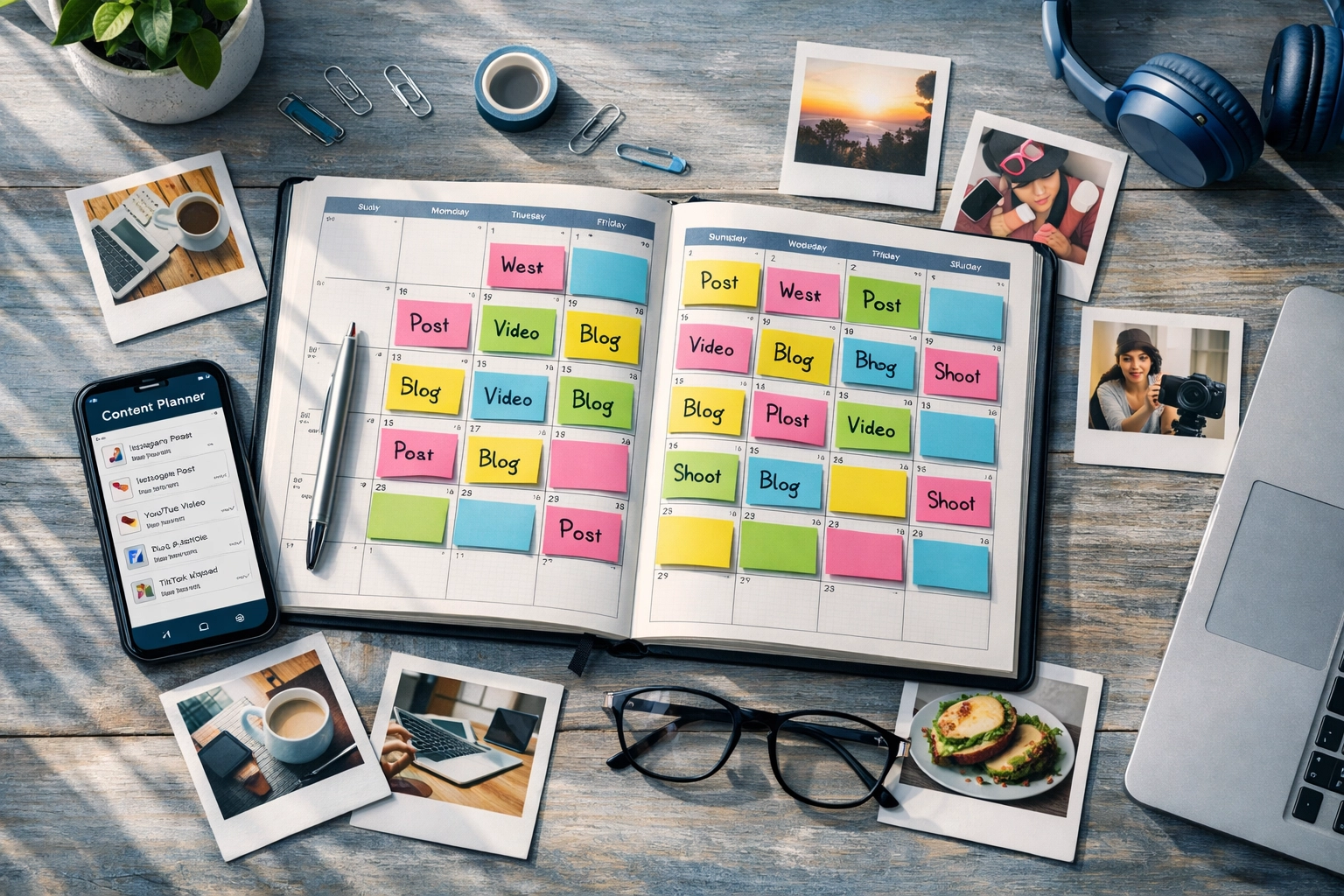
Create a content calendar for the next 30 days. Plan posts in advance so you're never scrambling for ideas at the last minute.
Establish 3-4 content pillars that guide what you post:
- Education: Tips, how-tos, industry insights that help your audience solve problems
- Entertainment: Behind-the-scenes content, team highlights, relatable moments that humanize your brand
- Community: User-generated content, customer spotlights, engagement posts that start conversations
- Product/Sales: Service highlights, special offers, customer results that drive conversions
Batch-create content. Dedicate one day to writing captions, designing graphics, and scheduling posts. This saves time and maintains consistency.
Week 3: Post and Engage Daily
Start posting according to your content calendar. Consistency matters more than perfection. Three quality posts per week beat seven rushed posts.
Engage actively with your community. Respond to every comment on your posts within 24 hours. Comment on other accounts in your industry. Share valuable posts from others. Social media rewards interaction, not broadcasting.
Week 4: Review and Refine
Check your analytics. Every platform provides insights on reach, engagement, and follower growth. Look at which posts performed best and why.
Identify patterns. Did educational posts get more saves? Did behind-the-scenes content generate more comments? Double down on what works. Cut what doesn't.
Adjust your content calendar based on data, not assumptions. This weekly review becomes your competitive advantage.
Set Brand Guidelines Early
If you're managing social media solo, brand guidelines keep you consistent. If you're working with a team or plan to hire help, guidelines become essential.
Document your brand voice and tone. Are you professional and authoritative? Friendly and conversational? Humorous and irreverent? Choose descriptors that align with your business.
Define visual standards. Specify color palettes, fonts, and image styles. Establish rules for logo usage. Create templates for common post types so everything looks cohesive.
Write messaging guidelines. What key points should every post reinforce? What language should you avoid? How do you talk about competitors? Clear guidelines prevent inconsistent messaging that confuses your audience.
Why Strategy Beats Random Posting Every Time
Small businesses fail at social media because they treat it like a checkbox. Post something, anything, just to maintain a presence. That approach wastes time and delivers no results.
Strategy ensures every post serves a purpose. When you know your goals, understand your audience, and follow a content plan, you create posts that attract the right people and drive business outcomes.
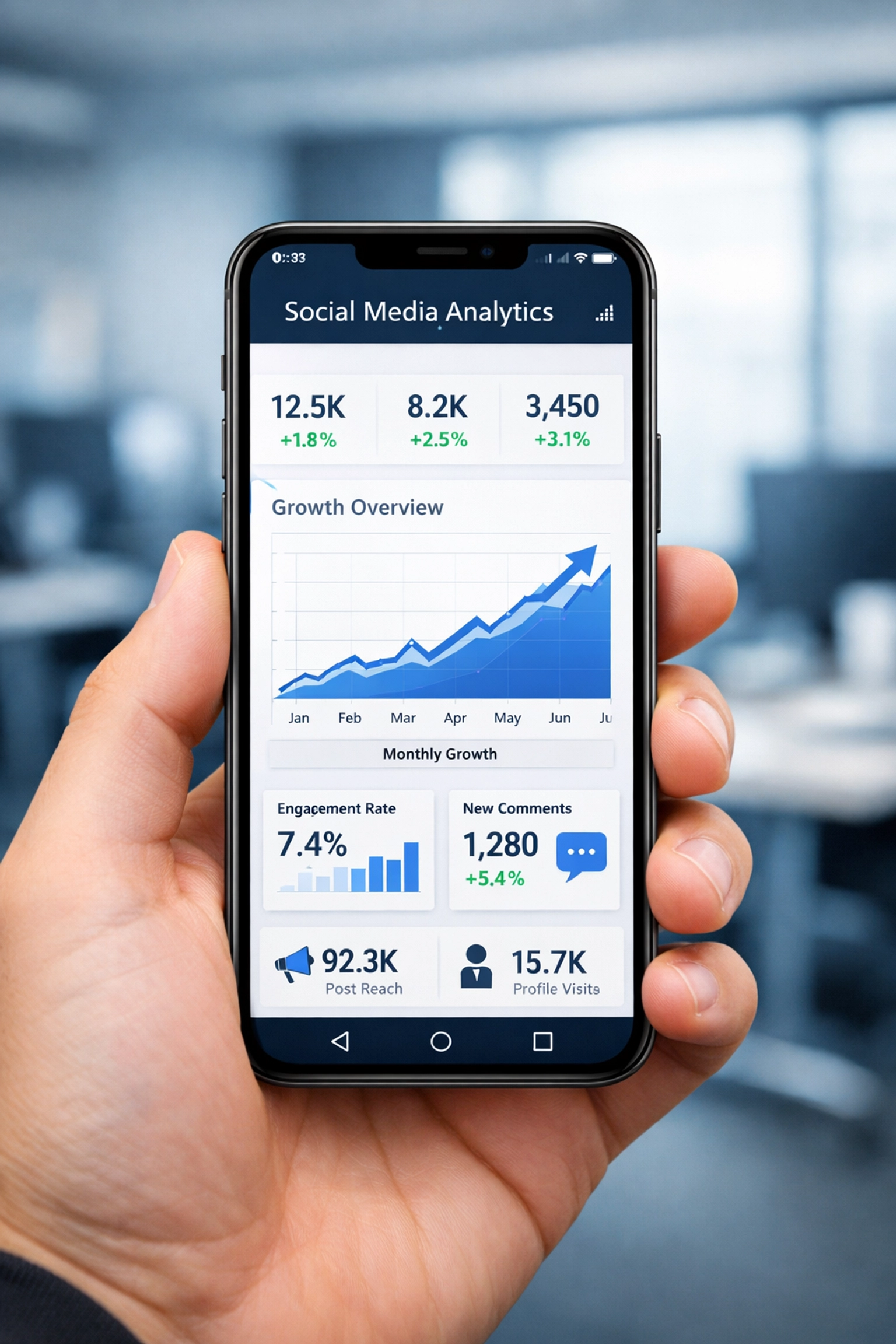
Random posting generates random results. Strategic posting generates measurable business growth. The difference is planning before you post.
Common Mistakes to Avoid
Don't spread yourself across every platform. Focus wins. One platform done well beats five platforms done poorly.
Don't post without engaging. Social media is a two-way conversation. If you only broadcast, you'll never build a community.
Don't ignore analytics. Data tells you what's working. Ignoring it means repeating mistakes and missing opportunities.
Don't copy competitors blindly. What works for them may not work for you. Learn from their successes, but create content specific to your audience and goals.
Start Today, Not Tomorrow
Social media management doesn't require a huge budget or a dedicated team. It requires strategy, consistency, and engagement.
Define your goals. Choose one platform where your customers are active. Follow the 30-day launch plan. Review your results and refine your approach.
The businesses winning on social media in 2026 aren't the ones posting the most. They're the ones posting with purpose.
If you need help building a social media strategy that drives real business results, PulsebitAI's social media growth services combine strategic planning with consistent execution to grow your online presence and attract your ideal customers.
Get Started with PulsebitAI
Ready to take your social media and digital marketing to the next level? PulsebitAI delivers professional digital marketing services designed for small and growing businesses.
Website: https://www.pulsebitai.com/
Office: 312-598-9163
Phone: (214) 882-4303
Email: support@pulsebitai.com
Contact us today to discuss how we can help your business grow online.
